Equipment
Income-Generating Collectibles: How Art, IP & Scarce Assets Build Wealth
From Labubu dolls to intellectual property rights, collectibles have become capital.


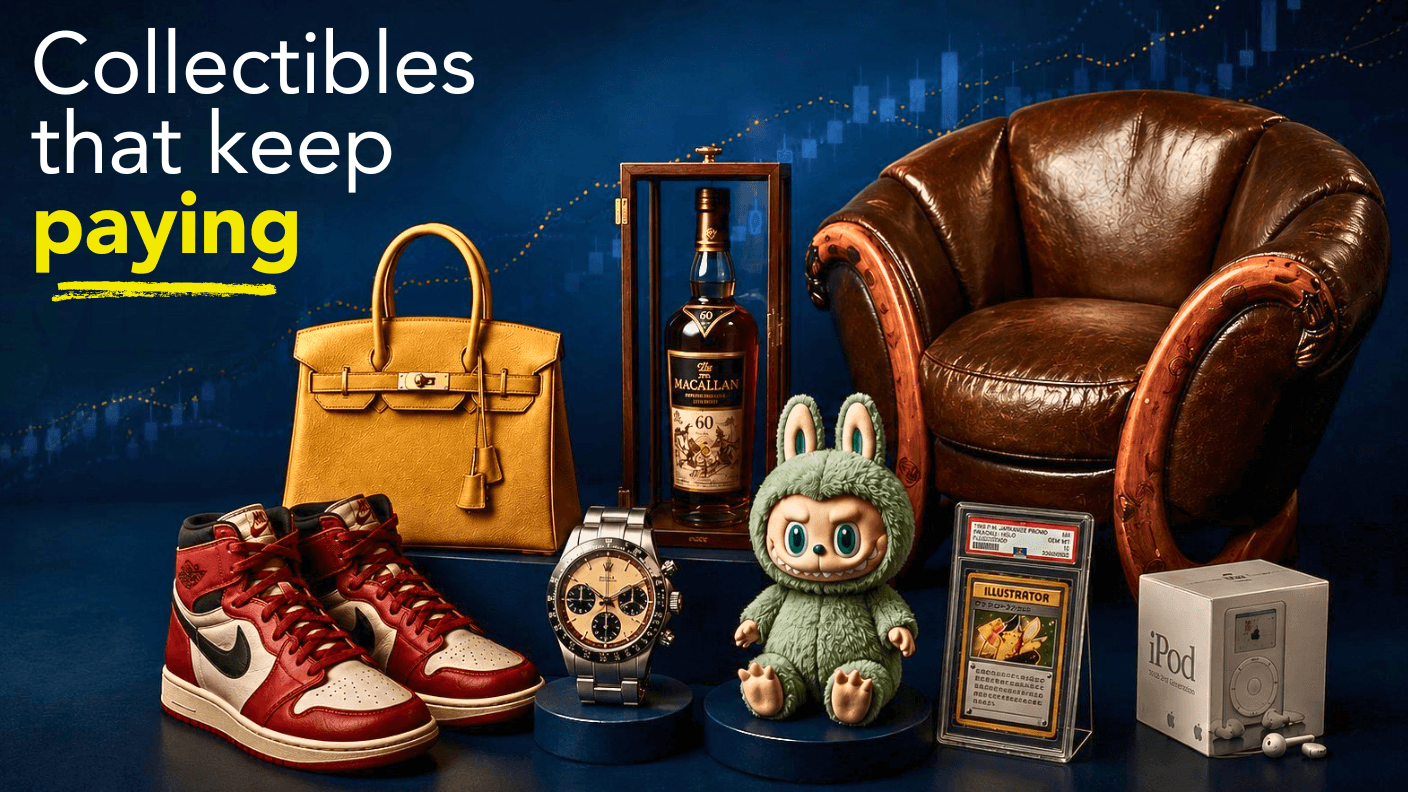
Private jets? Supercars? Not so much. India’s ultra-rich have a taste for intangible or hybrid assets, not always the trendy ones that rarely generate recurring income.
Somewhere between a vault in Geneva and a wardrobe in Mumbai sits a new kind of portfolio, one that doesn’t fluctuate on screens but quietly appreciates in silence. Collectibles have evolved from passion purchases into a sophisticated alternative asset class, driven not by quarterly earnings but by cultural momentum, scarcity, and storytelling.
In today’s market, the smartest collectibles do two things at once. Some appreciate because they are rare, culturally relevant, and provenance-rich. Others generate recurring cash flow through royalties, licensing, syndication, or commercial rights. The result is a new wealth logic: not just ownership, but monetisation.
This blog covers the major collectible categories, how they generate regular income or long-term value, why HNIs are paying attention, what tax and insurance really look like in India, and how to distinguish a trophy asset from a real portfolio asset.
What Are Collectibles?
Collectibles are tangible or intangible assets whose value is derived primarily from scarcity, provenance, cultural significance, historical importance, or intellectual property rather than productive business operations.
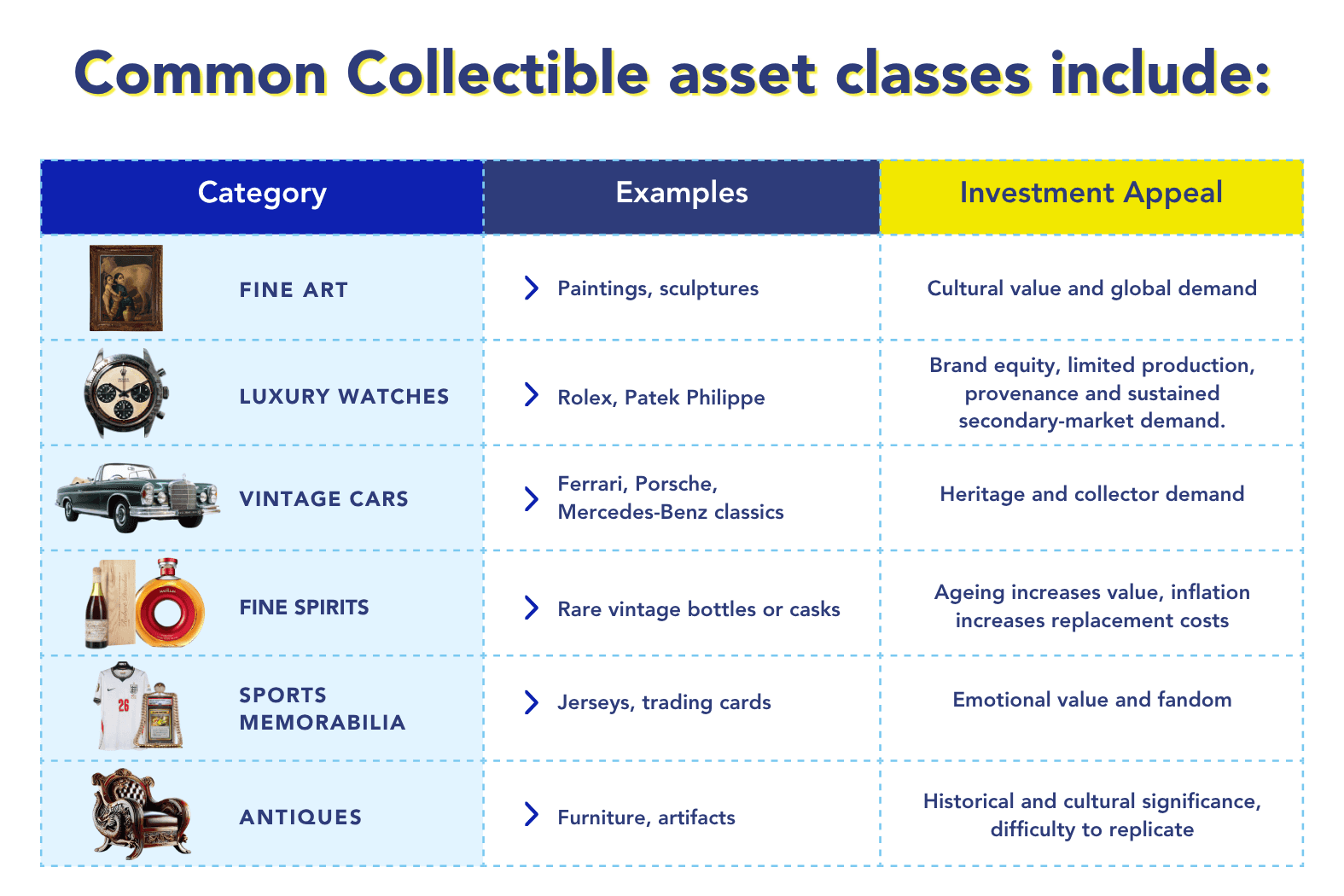
1. From Trophy Assets to Yielding Assets
Collecting has always been emotional. The modern twist is that emotion now has a yield curve. A rare watch, a first-edition book, a graded trading card, a vintage poster, a rare sneaker, or a music catalogue can do more than sit well in a cabinet. It can be sold, licensed, fractionalised, or used to generate royalties and audience-driven value.
That is why the conversation has moved beyond luxury consumption. The new question is not merely, “How much is it worth?” The smarter question is, “How does it earn?”
2. Why the Category Is Growing
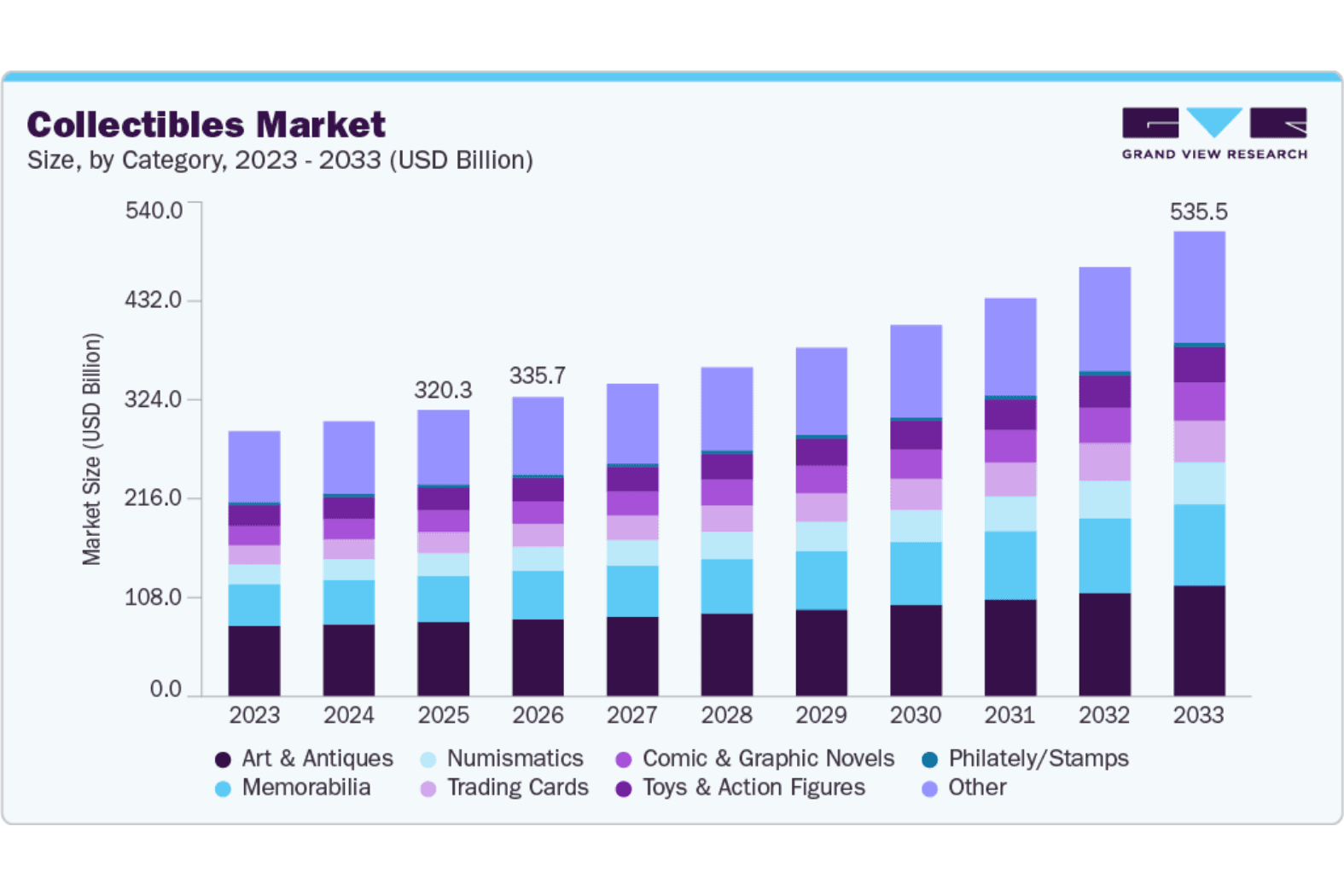
• The global collectibles market is projected to grow from USD 320 billion in 2025 to over USD 535 billion by 2033. [1]
• India’s Income Tax Department now explicitly recognises specified luxury goods, including wrist watches, art pieces, collectibles such as coins and stamps (numismatics), handbags, shoes, sunglasses, home theatre systems, and more, under the 1% TCS framework when the value exceeds ₹10 lakh, identifying these assets as tradeable value and thereby taxing them. [2]
• Collectors are also getting younger. Trading cards, sneakers, pop-culture memorabilia, and limited-run drops have created deeper secondary markets and more price discovery.
• Technology has made the market more legible and accessible. Grading, provenance tracking, auction archives, digital marketplaces, and fractional ownership tools have made what was once an opaque hobby, look increasingly like a serious alternative investment class.
3. What Makes a Collectible Valuable
Scarcity: The fewer the surviving examples, the stronger the price floor.
Provenance: Ownership history can transform the same object into a different asset altogether.
Condition: A single grade point can shift value dramatically in cards, watches, comics, sneakers, and toys.
Cultural relevance: Attention is a multiplier. Pop culture often creates markets faster than analysts do.
Authentication: In collectibles, trust is not a soft virtue. It is the product.
Liquidity: Some items trade in minutes; others take months. The longer the exit, the greater the holding risk.
That is why the market rewards both romance and paperwork. A beautiful object without proof is just a story. A beautiful object with proof becomes an asset.
4. High-Value Collectible Case Studies
Below are the categories that consistently attract the attention of collectors and HNI buyers. Some are pure appreciation assets. Some are income-generating IP assets. Others sit in the overlap, where scarcity, fandom, and monetisation meet.
Trading cards: Logan Paul and the Pikachu Illustrator
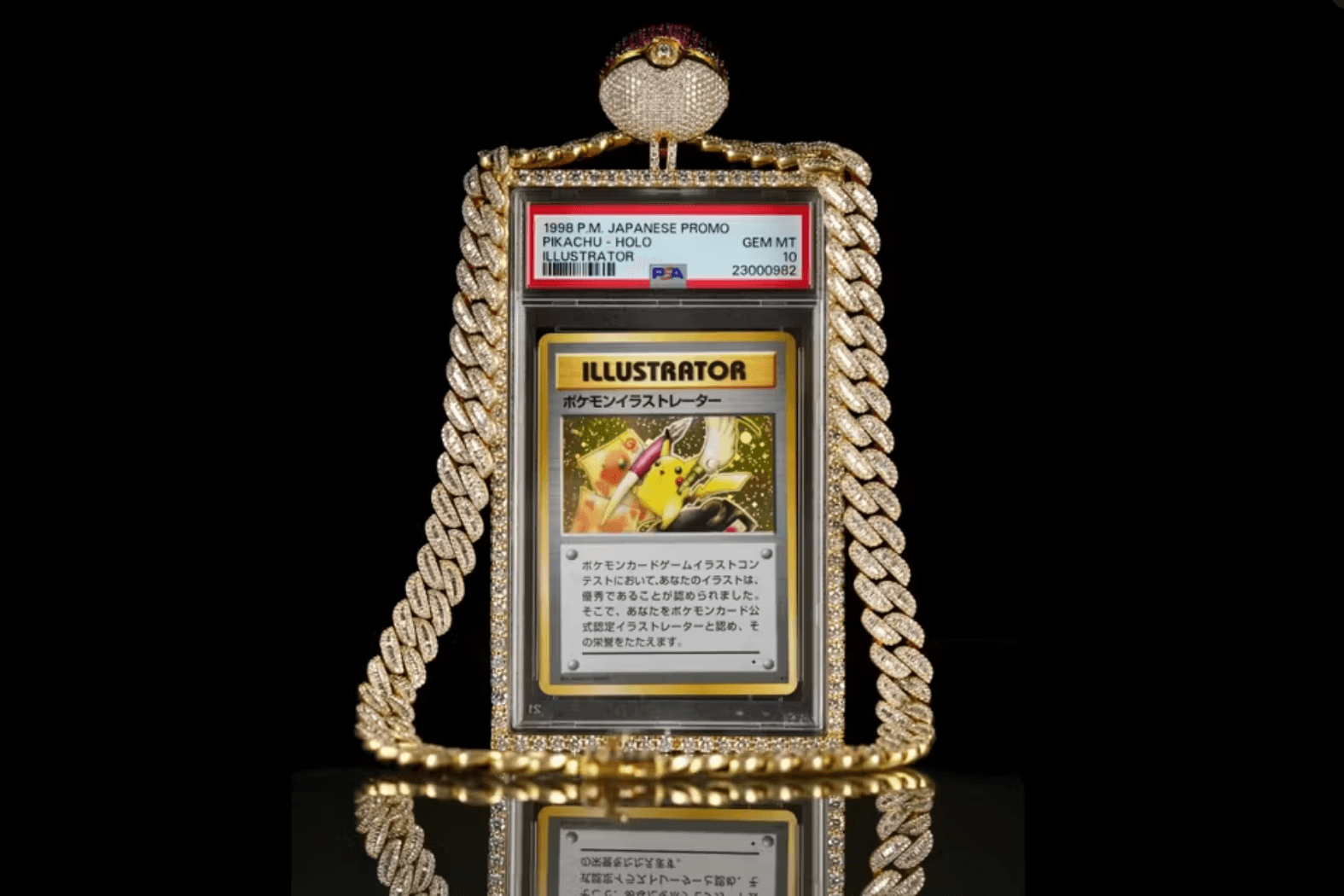
Few modern collectibles illustrate the psychology of rarity better than the Pikachu Illustrator card. Guinness World Records documented Logan Paul’s 2021 purchase at USD 5.275 million, at the time the most expensive Pokémon card ever sold. In 2026, AP reported that the same card was later sold for USD 16.5 million, setting a new record for the most expensive trading card ever sold at auction. The lesson is simple: condition, scarcity, and cultural heat can turn cardboard into blue-chip memorabilia.[3]
Luxury bags: the Hermès Himalaya Birkin
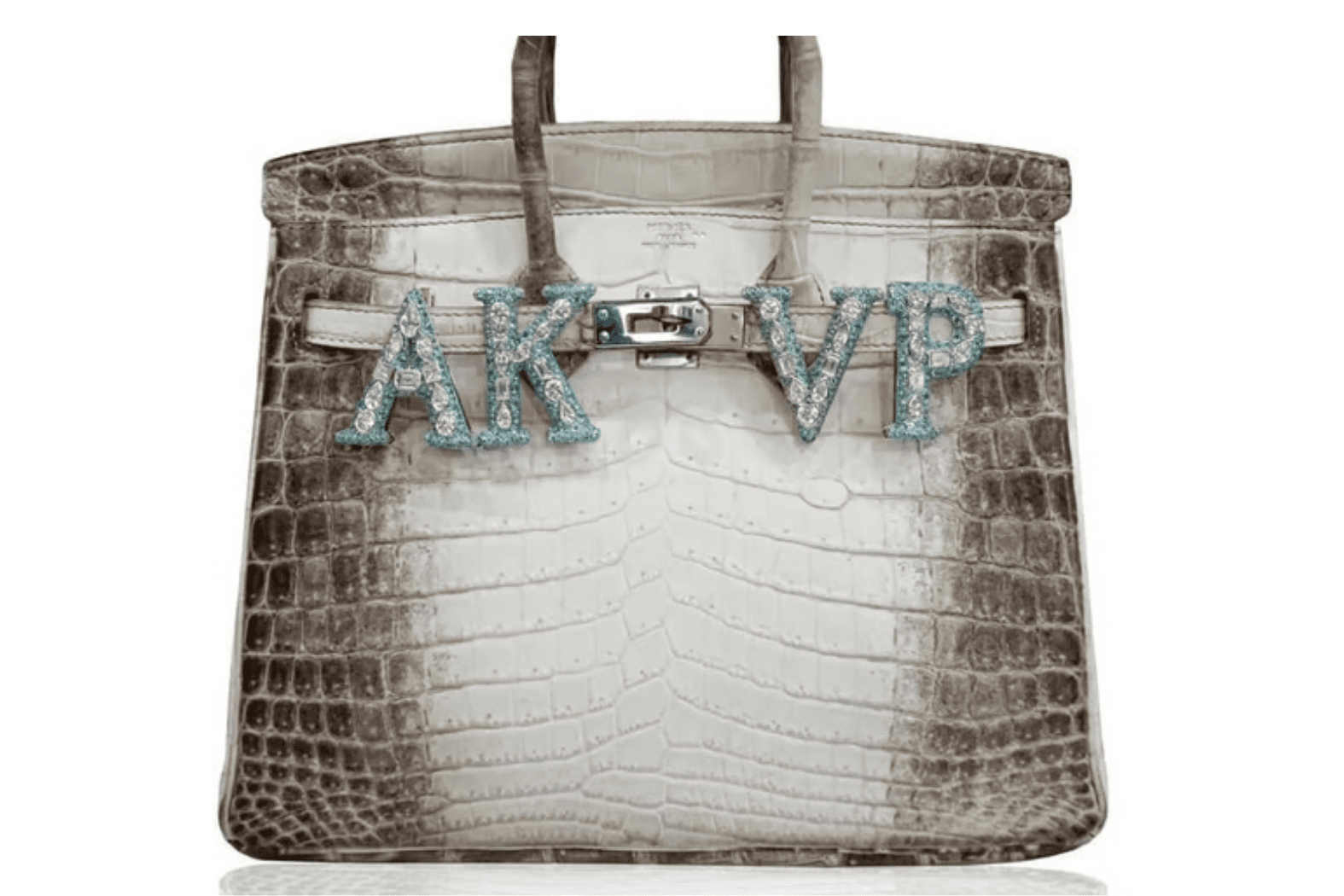
The Hermès Himalaya Birkin remains the reference point for engineered scarcity. Christie’s notes that a Himalaya Birkin 30 with diamond hardware sold for £162,500 in London in 2018. [4] Birkin, the most coveted bag in the world. then another version broke the record later the same year. Media coverage has also reported Nita Ambani carrying a rare Himalaya Birkin priced in the multi-crore range, underscoring how luxury bags function not just as accessories but as status-bearing, auction-recognised assets. In this category, exclusivity is not accidental; it is the business model.[5]
Watches: Paul Newman’s Daytona
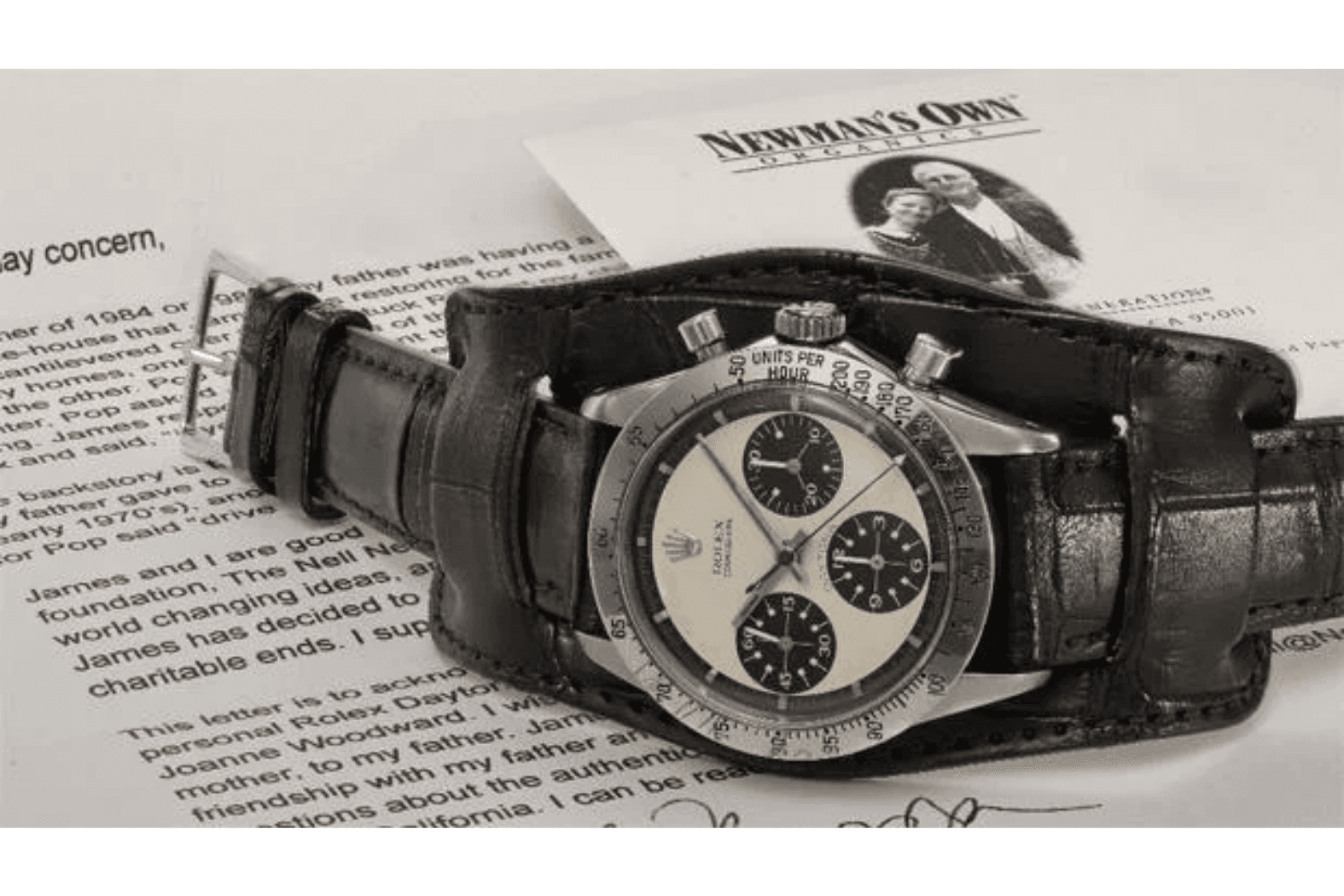
The market for rare watches is built on provenance and story. A Rolex Daytona associated with Paul Newman became one of the most famous examples of provenance pricing, with auction coverage widely reporting a record sale of about USD 17.8 million. The point is not the watch alone. It is the watch plus the cultural biography attached to it. In Collectibles, a biography often adds more value than metal. [6]
Photography: Vivian Maier

Vivian Maier’s work shows how value can arrive late. Her street photographs, largely unseen during her lifetime, have become highly sought after, with contemporary sales and exhibitions continuing to develop her market. The object itself did not change. The context did. That is a powerful reminder that markets price attention as much as objects. [7]
Fashion memorabilia: Marilyn Monroe’s dress
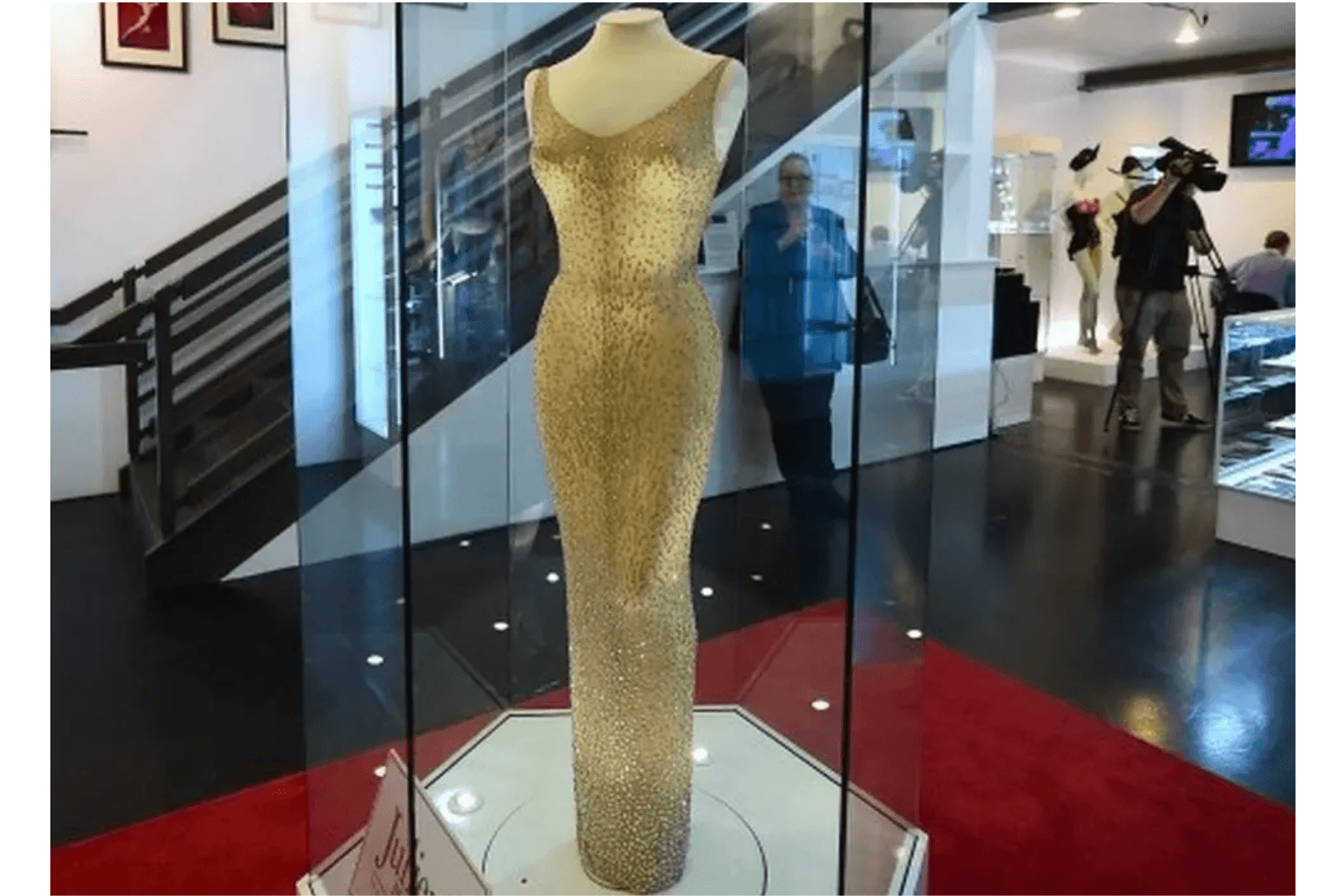
Marilyn Monroe’s gowns remain among the most famous memorabilia assets in the world. Time reported that the dress she wore while singing ‘Happy Birthday’ to President John F. Kennedy sold for a record USD 4.8 million. This is not just costume history. It is cultural memory with a price tag.[8]
Electronics: the sealed first-generation iPod
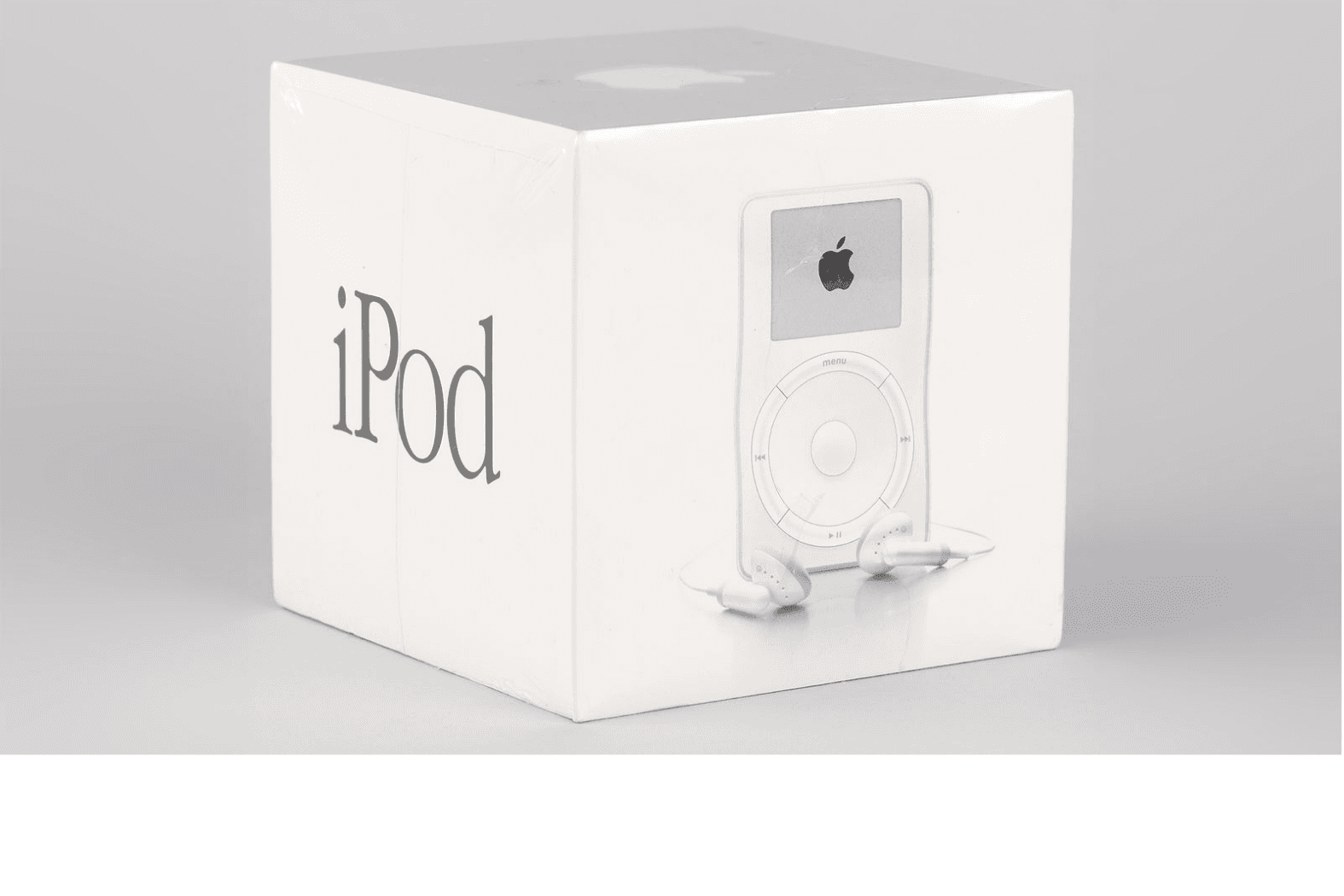
Even modern electronics can become Collectible when sealed, original, and historically important. RR Auction listed a sealed first-generation iPod and reported a sale price of USD 25,000, while later coverage of similar sealed units showed the market continuing to reward unopened, first-run Apple hardware. The lesson: technology becomes Collectible when it marks a turning point in consumer culture.[9]
Sneakers: rare Nike Air Jordans
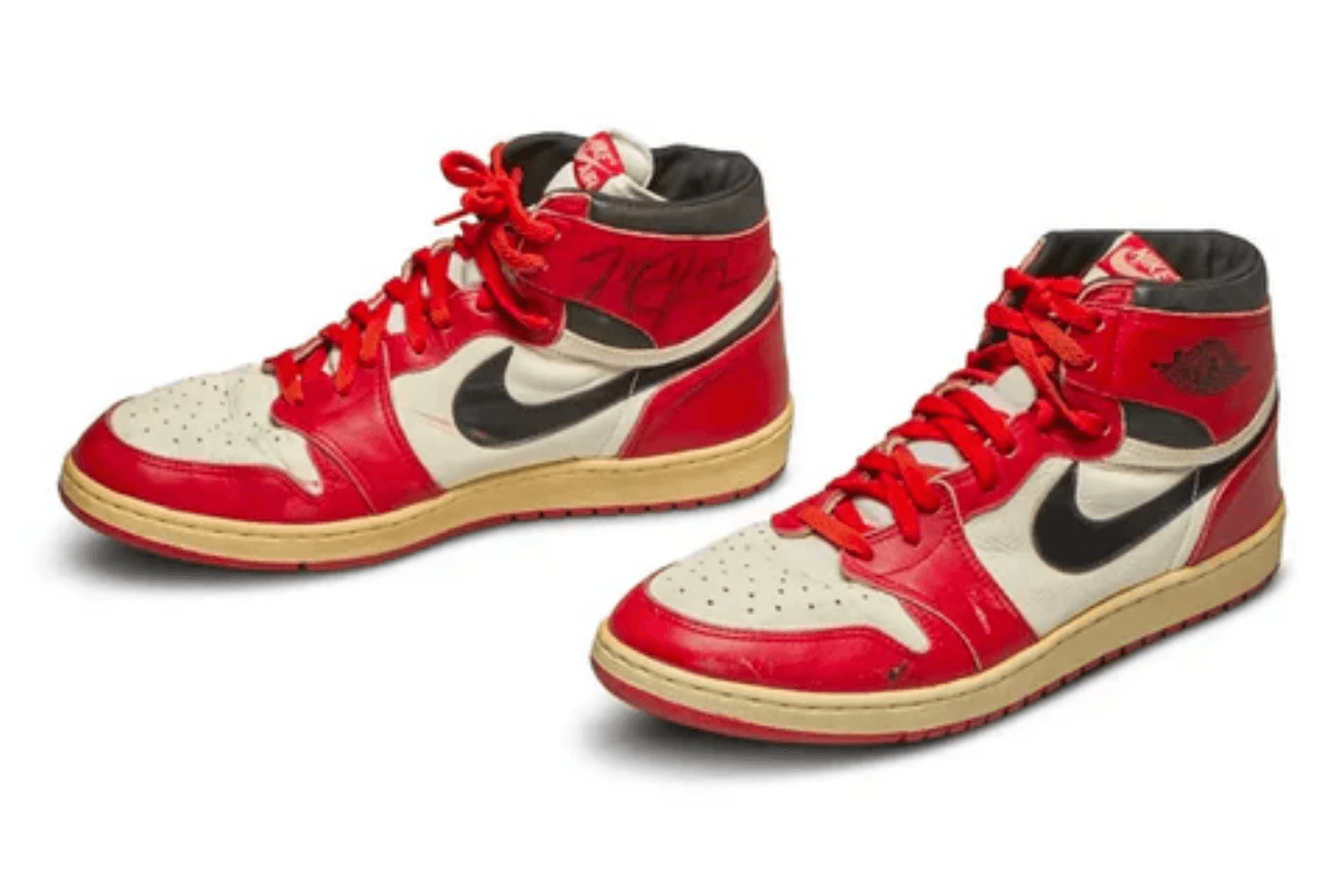
Sneakers are one of the clearest examples of fandom-driven value. Sotheby’s and Heritage Auctions have repeatedly shown that rare Air Jordans, player exclusives, and game-worn pairs can command significant prices. A 1985 game-worn and signed Nike Air Jordan I pair sold at Heritage in 2025 for $560,000. For HNIs, sneakers are less about everyday wear and more about cultural participation in a scarce, authenticated format.[10]
Comics: Star Wars and other first issues
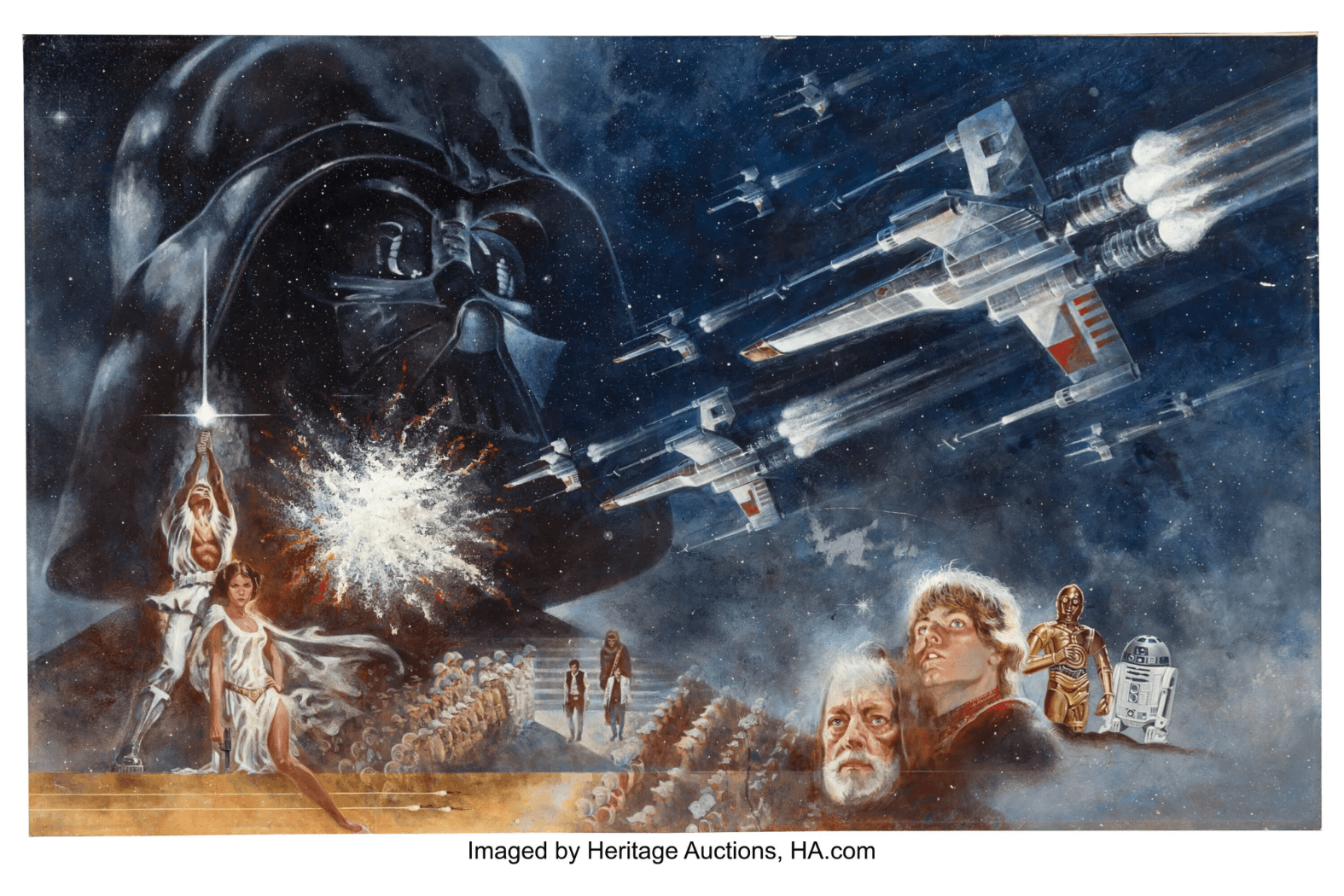
Comic books behave like micro-cap blue chips when the issue, condition, and fandom align. Heritage’s archives show strong demand for Star Wars #1 and other first-run issues, while AP reported in 2025 that original Star Wars movie artwork sold for USD 3.875 million, underscoring how the franchise’s early visual and print assets have become prized Collectibles. In comics, books and prints, printing provenance, appearance and condition are the levers of value.[11]
Books: the typo that proves origin

First-edition books are a pure provenance play. Harry Potter’s first edition with the famous ‘1 wand’ printing mistake sold for more than £45,000. The book, which is one of the 500, is valuable precisely because the mistake helps authenticate the earliest run. A typo becomes a certificate. In books, the error is not a defect; it is a fingerprint.[12]
Art: blue-chip paintings and drawings

Fine art remains the flagship Collectible class, but at the highest levels, pricing is driven less by aesthetics and more by identity, scarcity, and cultural ownership.
A recent example illustrates this shift clearly. On 1st April 2026, a painting by Raja Ravi Varma, “Yashoda and Krishna”, was reportedly acquired for approximately ₹167 crore by Indian Billionnaire, Cyrus Poonawalla.. [13]
Wine and spirits

Rare wine and whisky trade on vintage, provenance, storage history, and scarcity. Rare whisky has quietly become one of the strongest-performing Collectible categories. In 2023, a bottle of The Macallan 1926 sold at Sotheby’s for $2.7 million, making it the most expensive bottle of wine or spirit ever auctioned.
The value was driven not just by age, but by extreme scarcity (fewer than 40 bottles), provenance, and its status as a “holy grail” among collectors.
In this category, storage and authenticity are not operational details; they are the value drivers. [14]
Vinyl records
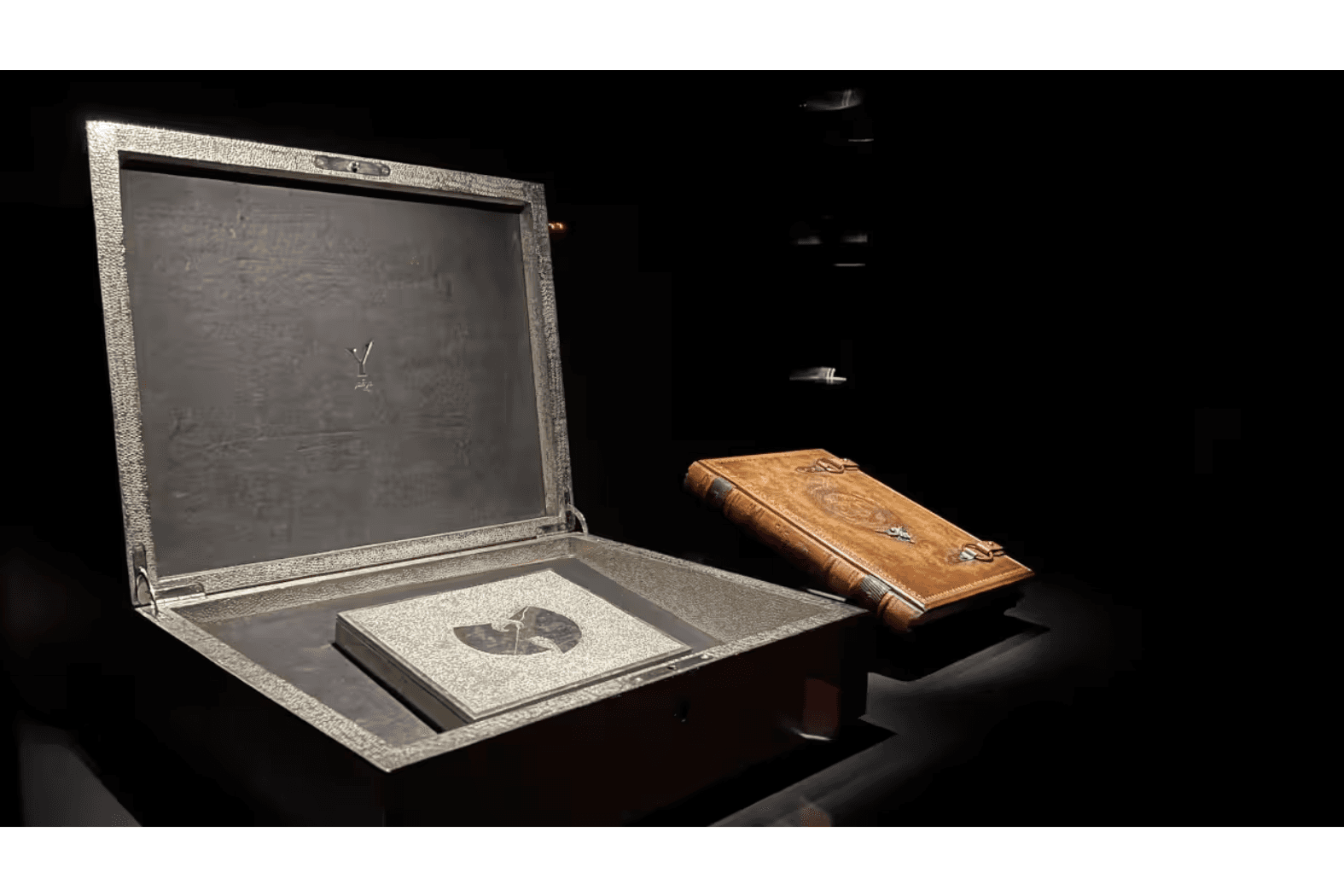
Rare vinyl has become a serious collector category because early pressings, misprints, and first editions combine music history with physical scarcity. The value here is not just sound. It is pressing history, label variation, and surviving condition. A rare pressing of Once Upon a Time in Shaolin by the Wu-Tang Clan sold for $2 million, with only a single copy ever produced.
Unlike mass-market music, value here is created through controlled scarcity, ownership mythology, and cultural relevance.
In vinyl, what matters is not just the music; it is the story of the pressing.
Vintage furniture

Victorian and antique furniture reward craftsmanship, age, and originality. The market is slower than cards or watches, but a well-documented piece with the right design lineage can appeal to private collectors, decorators, and estate buyers alike.
In the furniture market, design lineage can be as powerful as scarcity. A rare “Dragon Chair” by Eileen Grey sold at Christie’s for €28 million, setting a record for 20th-century design furniture.
The piece’s value came from a combination of limited production, historical importance, and museum-level provenance.
Unlike faster-moving Collectibles, furniture markets reward patience, but exceptional pieces can deliver outsized results when design, condition and rarity align.[16]
From Creative Output to Financial Assets
Intellectual property is increasingly emerging as a structured investment asset. Unlike traditional collectibles that derive value primarily from scarcity, IP assets generate recurring cash flows through licensing, royalties, and commercial usage.
Every time a song is streamed, a book is adapted, a patent is licensed, or a gaming character is commercialised, revenue accrues to the rights holder. This converts creative output into long-duration income-generating assets.
Music Rights
Music catalogues are among the most established intellectual property investment assets.
In 2021, Bruce Springsteen sold his entire music catalogue to Sony Music for approximately $500–550 million, including publishing and master recording rights. [17]
These assets generate revenue through:
Streaming platforms
Radio broadcasts
Film and advertising licensing
Live performance royalties
Institutional investors are increasingly acquiring such catalogues. Hipgnosis Songs Fund has invested billions in purchasing music rights portfolios backed by long-term royalty income. Some notable investments include:
• Neil Young- Hipgnosis acquired a 50% stake in his songwriting catalogue in a deal estimated at around $150 million. [18]
• Shakira- Acquired 100% publishing rights to her catalogue featuring 145+ songs, including global hits like Hips Don’t Lie. Industry estimates valued the deal in the tens of millions. [19]
• Red Hot Chilli Peppers- Their recorded music catalogue was acquired by Warner Music Group for a reported$350 million, demonstrating continued institutional demand for evergreen music catalogues. [20]
• Justin Bieber- Hipgnosis Songs Capital acquired Bieber's publishing copyrights, neighbouring rights and artist royalty interests for his pre-2022 catalogue in a transaction reportedly estimated to be worth approximately US$200 million. [21]
• Dr Dre — Shamrock acquired portions of his royalty and music income streams as part of a transaction exceeding $200+ million. The deal included producer royalties, artist royalties, and songwriter income rights. [22]
• Calvin Harris — Through its acquisition of Vine Alternative Investments’ portfolio, Shamrock gained rights tied to 150+ Calvin Harris songs. The original catalogue acquisition by Vine was estimated at around $100 million. [23]
• Stargate — Shamrock acquired the publishing catalogue containing hits created for artists like Rihanna, Beyoncé, and Katy Perry, strengthening its royalty-generating music IP portfolio. [24]
These deals reflect how music royalties are increasingly treated as infrastructure-style cash-flow assets with predictable, long-duration income streams.
These assets are valued based on historical sales performance, global licensing demand, and adaptation potential.
In India, companies such as T-Series monetise vast music libraries through streaming, licensing, and broadcasting, generating recurring revenue from decades-old catalogues; India has not yet developed a dedicated institutional music royalty investment market comparable to those seen in the US and Europe, although large music companies continue to monetise extensive catalogues through streaming, licensing and broadcasting.
Publishing Rights
Publishing rights have emerged as a valuable intellectual property asset, with publishers, media companies and institutional investors acquiring literary catalogues that generate long-term royalty income across multiple monetisation channels.
Monetisation channels include:
Global book sales
Audiobook licensing
Film and OTT adaptations
Notable transactions include:
Global book sales – KKR acquired Simon & Schuster for US$1.62 billion in 2023, gaining one of the world's largest publishing catalogues with more than 36,000 titles. [25]
Audiobook licensing – In 2024, RBmedia acquired Berrett-Koehler Publishers' audiobook publishing business, including its existing audiobook catalogue and securing an exclusive multi-year agreement to publish future audiobook editions. This expanded RBmedia's portfolio of royalty-generating audio intellectual property. [26]
Film and OTT adaptations – Netflix acquired the Roald Dahl Story Company in 2021 to secure rights for films, series, games, live experiences, publishing, and consumer products based on Roald Dahl's literary works.[27]
Private equity firms and strategic media companies are increasingly investing in publishing catalogues as part of broader entertainment and intellectual property strategies, recognising literary assets as sources of recurring royalty income and cross-media monetisation opportunities.
Patents
Patents grant the owner exclusive commercial rights to an invention for 20 years, allowing the owner to license the technology to companies in exchange for royalties.
This enables inventors and investors to generate income without manufacturing products.
Investment firms such as Intellectual Ventures have built large patent portfolios that generate revenue through licensing agreements with technology companies.
• Qualcomm- Qualcomm’s patent portfolio around CDMA and 5G wireless technology generates billions in annual licensing revenue. The company reportedly owned over 130,000 current or pending patents by 2017, with royalties estimated at nearly 5% per mobile device sold globally. [28]
• Microsoft- Microsoft has historically generated significant licensing income of $2 Billion Per Year from Android patent royalties and enterprise technologies through agreements with smartphone manufacturers and software companies. [29]
Gaming Intellectual Property
Gaming IP has evolved into a major monetisation ecosystem.
Successful games generate revenue through:
In-game purchases
Digital merchandise
Advertising partnerships
Esports media rights
For example, Fortnite, developed by Epic Games, has generated billions in revenue through digital goods and brand collaborations built around its proprietary gaming universe.
The growing value of gaming IP has also attracted major celebrity and private equity investors:
• Michael Jordan invested in esports and gaming company aXiomatic Gaming, the parent company of Team Liquid, as part of a $26 million funding round.[30]
• Drake and Scooter Braun co-owned esports organisation 100 Thieves, which later achieved a valuation exceeding $460 million after multiple funding rounds. [31]
In such ecosystems, the underlying intellectual property, not the game itself, becomes the primary financial asset.
Gaming intellectual property has become a major investment category as successful franchises generate revenue across digital purchases, licensing, esports, and merchandising.
Large acquisitions highlight the financial value of gaming IP. In 2023, Microsoft completed its $69 billion acquisition of Activision Blizzard, securing globally valuable franchises such as Call of Duty, World of Warcraft, and Candy Crush. Similarly, in 2022, Sony Group Corporation acquired Bungie for $3.6 billion, largely to own the Destiny gaming universe.
These deals reflect the scale of the industry. The global gaming market surpassed $201 billion and now generates annual revenues exceeding the global film box office and recorded music industries individually, making it one of the world's largest entertainment sectors. [32]
5. Tax, Insurance, and Underwriting
This is the least glamorous part of the story and the most important one. In India, the Income Tax Department’s TCS framework currently covers specified luxury goods valued above ₹10 lakh, and the official tax reference lists items such as wristwatches, art pieces, collectibles like coins and stamps, handbags, shoes, sunglasses, home theatre systems, and related luxury categories. That means the purchase trail matters as much as the object itself.
For sales-side taxation, collectibles are often treated as capital assets rather than casual possessions. That means gains on sale can fall under capital gains rules depending on the facts. IP-derived income, on the other hand, is typically structured differently: royalties, licensing fees, or business income may apply depending on ownership, use, and the legal arrangement.
Insurance is the quiet validator. According to a collector’s guide, a professional appraisal documents an asset's existence, condition, provenance, and value, creating the evidence needed for transactions ranging from sales and donations to estate planning and insurance. For insurers, appraisals help determine an asset's current replacement value rather than simply its historical purchase price, reducing the risk of underinsurance as markets evolve. [33]
Underwriting matters because collectibles are not all equal. A watch with complete papers, a graded card, a sealed product, or a documented art piece is dramatically easier to price, insure, and finance than an object without provenance. The paper trail is part of the asset.
6. What HNI Investors Should Actually Look For
• Category fit. Watches and cards behave very differently from art and music rights.
• Liquidity horizon. Can you exit in weeks, months, or years?
• Authentication quality. Grading, certificates, invoice trails, and chain of custody are non-negotiable.
• Storage and holding cost. Furniture, wine, cars, and art all come with different physical burdens.
• Concentration risk. One trophy object is not a portfolio.
• Legal structure. Fractional ownership, SPVs and custodial structures can improve diversification, but investors should understand governance rights, exit mechanisms and legal ownership before investing.
• Tax friction. Purchase taxes, capital gains, GST/ VAT where applicable, and compliance paperwork should be modelled before the buy.
For most HNIs, the right answer is not to chase every category. It is to build a deliberate mix: a few high-conviction trophy assets, a few faster-moving collector market items, and a separate sleeve for income-generating IP, through a fund structure or an SPV participation.
Conclusion
Collecting has become more sophisticated because wealth itself has become more sophisticated. The old model was ownership for display. The new model is ownership with optionality: value appreciation, recurring revenue, reputational capital, and estate planning utility. Some assets are beautiful. Some are scarce. The best ones are both, and then they go one step further: they earn.
This is precisely the philosophy that AFINUE brings to modern investors.
AFINUE understands that wealth today needs more than equities and even real estate; it needs diversification into high-yield, low-volatility alternative assets that complement traditional portfolios across market cycles. Just as IP creates recurring value without recurring effort, AFINUE’s curated alternative investment solutions aim to help investors access steady income, backed by real, tangible, and institutionally managed assets.
Bibliography
[1] Collectibles Market (2026 - 2033)Report
[2] India filings: TCS on Luxury Goods Guide
[3] CNN: Logan Paul’s ‘holy grail’ of Pokémon cards
[4] Business Today
[5] Luxury launches
[6] Forbes: Paul Newman's 'Paul Newman' Rolex Daytona Sells For $17.8 Million, A Record For A Wristwatch At Auction
[7] Artsy editorial vivian maiers street photography
[8] BBC: Marilyn Monroe 'Happy Birthday' dress fetches $4.8m
[9] Macrumors: Original 2001 iPod in Sealed Box Sells for Eye-Watering Price at Auction
[10] Medium: Luxury Sneakers, Streetwear, & Modern Collectibles.
[11] APNEWS: The painting that introduced ‘Star Wars’ to the world fetches $3.9M at auction.
[12] Standard Co UK: Rare first edition Harry Potter book sells for more than £45,000
[13] The Tribune: Raja Ravi Varma’s ‘Yashoda and Krishna’ fetches Rs 167 crore
[14] Times of India: World’s ‘most sought-after’ whisky sells for record price
[15] Only copy of Wu-Tang Clan album Once Upon A Time in Shaolin 'sells for millions'
[16] Eileen Gray at auction: Why investors spend millions on designer furniture
[17] The Guardian: Bruce Springsteen sells song catalogue to Sony for $500m
[18] Neil Young sells 50% of entire song catalogue rights to Hipgnosis
[19] Hipgnosis buys 100% of Shakira’s publishing catalog, spanning 145 songs
[20] Music Bussiness worldwide
[21] The Media C- Suite
[22] Variety Dr. Dre Selling Catalog Assets to Universal Music
[23] Digital News
[24] Music Business Worldwide.
[25] Paramount
[26] RB Media
[27] Netflix
[28] Qualcomm
[29] Business Insider
[30] Game Industry Biz
[31] Forbes
[32] New Zoo Global Game Market report
[33] Chubb

Get Our Newsletter
You to create a robust alternate asset portfolio.Related Insights

Aircraft Leasing in India: The Capital Strategy Behind Every Flight
A comprehensive guide to aircraft leasing, GIFT City, lease structures, regulatory reforms, and the economics behind airline fleet expansion.

Operating Lease
With growing industrialization, and diversification across the value chain, fixed asset purchase and financing have become a key area of disruption.
Aircraft Leasing in India: The Capital Strategy Behind Every Flight
A comprehensive guide to aircraft leasing, GIFT City, lease structures, regulatory reforms, and the economics behind airline fleet expansion.
Operating Lease
With growing industrialization, and diversification across the value chain, fixed asset purchase and financing have become a key area of disruption.